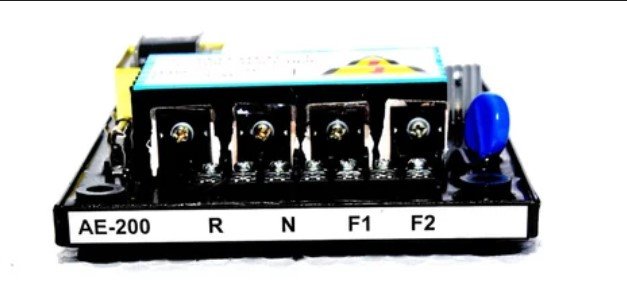
A set of AVR units, which are otherwise known as the Automatic Voltage Regulator, is used for the control and regulation of the voltage level within the electrical systems. These units are normally connected to generators and alternators where the need for constant voltage arises. If the AVR units are not used, the voltage may either increase or decrease due to the changing conditions.
The function of an AVR unit is to regulate the voltage to maintain it at a safe range. This ensures that any systems that are connected will be safe, and that there is a consistent electrical output.
What an AVR Unit Does
The primary function of an AVR unit is to regulate voltage. When the load current increases, voltage may drop. When voltage drops, current may increase. The AVR detects these fluctuations and responds by adjusting or reducing excitation current supplied to the alternator’s field. The adjustments occur very quickly, often in milliseconds.
With AVR units, generators operate smoothly since they regulate voltage in real-time. This is essential for standby and continuous power supply.
Where AVR Units are Used
The AVR units find applications in many industries such as power plants, manufacturing plants, marine equipment, and construction sites. The equipment includes diesel generators, petrol generators, and large alternators. The equipment is also found in hospital backup generators, data center backup generators, and factory backup generators.
They are also used for old sets that may require new or upgraded regulators for better performance and efficiency. Many times, the right AVR unit can extend the life of the generators.
Types of AVR Units
There are various AVR units, and they differ depending on the application for which they are being used. Some of them are simply analog regulators, whereas others are digital regulators, providing precision control. Brushless alternators require different AVR units compared to brushed alternators.
There are some AVR units which have additional features, which include soft start voltage build-up, under frequency protection, and adjustable voltage settings. These additional features assist in generator protection.
General Signs of AVR Problems
When an AVR unit fails, it can cause the voltage output to become unstable. This can manifest as flickering lights, shutdowns, or changes in the voltage. Sometimes, it can fail to generate voltage altogether.
AVR faults may also result from factors such as heat, vibration, moisture, or ageing. In addition, poor wiring or poor ventilation may also contribute to the degradation of the lifespan of the device. Replacing the device may be the most cost-effective option compared to repairing the damages resulting from the effects of unstable voltages.
Choosing the Right AVR Unit
Choosing the proper AVR unit depends on several conditions, such as alternator type, voltage rating, etc. Using a wrong regulator may cause improper control or damage. The part numbers of various manufacturers need to be consulted before selecting a new one.
Specialized suppliers can often assist with identifying suitable AVR units for modern or older machines. This can be particularly beneficial where the original components are not readily available.
See also: Sogou Input Method: An In-Depth Look at Intelligent Typing Technology
The significance of AVR units
The AVR AVR units are essential for the safe operation and maintenance of electrical systems. These units are essential for the generators to operate within the limits for which the generators are intended to operate. In addition, the units are essential for the safe and reliable operation of the generators.